
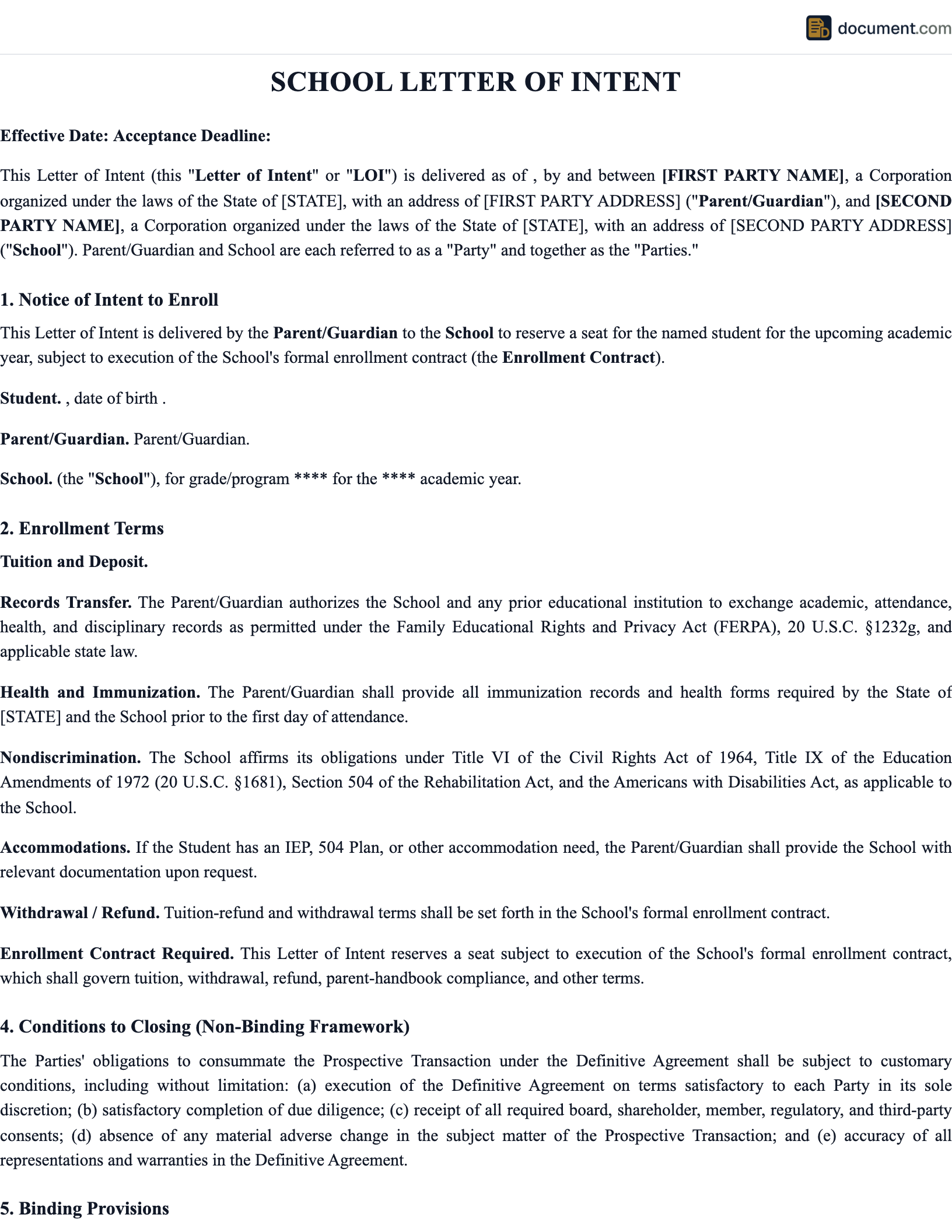



What Is a Dental School Letter of Intent?
A dental school letter of intent is a focused, purposeful communication that tells an admissions committee exactly one thing: this program is your unequivocal first choice, and you will attend if admitted. It is not a restatement of your personal statement, not a generic expression of interest, and not a comprehensive autobiography. The LOI is a strategic document sent at a critical moment in the admissions cycle — typically after an interview or when placed on a waitlist — that can influence the committee's decision by demonstrating the yield-conscious commitment that schools value in building their incoming class.
Dental school admissions is highly competitive. According to the American Dental Association, approximately 12,000 applicants compete for roughly 6,700 first-year seats each cycle, and schools invest significant resources in identifying applicants who will accept their offers of admission. The LOI addresses the school's yield concern directly: by committing in writing to attend if admitted, you reduce the uncertainty the committee faces in deciding between applicants of similar academic caliber. This is particularly valuable at schools where the admissions committee uses a holistic review process and values demonstrated commitment alongside academic metrics like GPA and DAT scores.
The dental school LOI must demonstrate genuine knowledge of and enthusiasm for the specific program. Generic statements about wanting to become a dentist are insufficient — the committee wants to see that you understand what makes their program distinctive: their clinical training model (early patient contact, simulation labs, community-based rotations), their research opportunities in areas like biomaterials, oral epidemiology, or craniofacial biology, their commitment to serving underserved populations through community clinics, their specialty tracks or dual-degree programs, and the specific experiences during your interview visit that solidified your commitment to their institution.
Commitment Signal
Demonstrates unequivocal commitment to attend the program if admitted.
Clinical Focus
Highlights dental shadowing, predental activities, and clinical readiness.
Program Fit
Connects your goals to the program's unique strengths and opportunities.
Dental School LOI Form Preview
Dear ,
I am writing to express my unequivocal commitment to School of Dentistry. After interviewing on and experiencing firsthand the program's , I am certain that your program is my first choice...
Since submitting my application, I have continued to strengthen my candidacy by ...
Sincerely,
AADSAS ID:
Key Components
An effective dental school LOI includes these essential elements:
| Component | Purpose | Key Details |
|---|---|---|
| Commitment Statement | Signals yield to admissions | Unequivocal first-choice declaration, willingness to withdraw other applications |
| Program-Specific Reasons | Demonstrates genuine fit | Specific faculty, research areas, clinical model, community programs, interview impressions |
| Application Updates | Strengthens candidacy | New shadowing hours, research, DAT scores, community service, leadership roles |
| Career Alignment | Shows long-term vision | Specialty interests, practice goals, community health commitment, research ambitions |
| Interview References | Personalizes the connection | Specific conversations, facility tours, student interactions, memorable moments |
| Professional Formatting | Reflects professionalism | Formal business letter, one page, AADSAS ID, correct addressee and title |
How to Write a Dental School Letter of Intent
Open with a Clear Commitment
Begin by stating unequivocally that the program is your first choice and that you will attend if admitted. This is not the place for hedging or ambiguity. Use direct language: 'I am writing to express my unwavering commitment to [School Name] School of Dentistry. Your program is my first choice, and I will immediately accept an offer of admission.' This opening sentence tells the admissions committee exactly why you are writing and what they need to know — that admitting you means a guaranteed seat filled in their incoming class.
Reference Your Interview Experience
Connect your commitment to specific experiences during your interview visit. Reference conversations with faculty members by name (if appropriate), impressions from the simulation lab or clinic tour, interactions with current dental students, aspects of the curriculum or clinical model that impressed you, and the overall culture of the program. For example: 'My conversation with Dr. [Name] about the program's early patient contact model in the D2 year confirmed that your clinical philosophy aligns with my belief that hands-on experience is essential to developing competent, confident dental practitioners.'
Articulate Program-Specific Fit
Demonstrate that you understand what makes this dental school different from others and explain why those specific features matter to your career goals. Reference the school's clinical training structure, research focus areas, community outreach programs, specialty tracks, dual-degree opportunities, geographic location in relation to your career plans, or unique educational innovations. Avoid generic statements that could apply to any dental school — the committee should feel that you wrote this letter specifically for their program and could not repurpose it elsewhere.
Provide Meaningful Updates
Include substantive updates since your application submission: additional dental shadowing hours with specific types of procedures observed, new research experiences or presentations, community oral health volunteer activities, leadership positions in predental organizations, completion of challenging coursework, improved DAT scores, or relevant employment in dental offices or healthcare settings. Each update should demonstrate continued growth and commitment to dentistry. Quantify when possible: 'Since my interview, I have accumulated an additional 80 shadowing hours across three dental specialties including pediatric dentistry, oral surgery, and endodontics.'
Connect to Your Long-Term Goals
Briefly articulate how the program's specific strengths connect to your professional aspirations — whether that is practicing general dentistry in an underserved rural community, pursuing a specialty residency in orthodontics or oral surgery, conducting dental materials research, or combining clinical practice with dental public health advocacy. Show the committee that you have thought carefully about how their program will prepare you for the specific career you envision, and that this career vision is realistic and informed by your experiences.
Close Professionally
End with a reaffirmation of your commitment and an offer to provide any additional information. Include your AADSAS ID number for easy reference, your contact information, and a professional closing. Format the letter as a formal business letter with the date, the addressee's name and title, and the program's address. Proofread meticulously — a dental school LOI with grammatical errors or typos undermines the professionalism you are trying to demonstrate. Have a predental advisor, mentor, or trusted colleague review the letter before sending.
Common Mistakes to Avoid
Dental school applicants frequently undermine their LOIs with avoidable mistakes. The most damaging error is sending an LOI to multiple programs — this is a commitment letter, and sending it to more than one school defeats its purpose and risks discovery by admissions committees who sometimes compare notes. If you are not genuinely committed to a single program above all others, send letters of continued interest instead.
Another common mistake is rehashing your personal statement or AADSAS application. The admissions committee has already read those materials; repeating the same stories about why you chose dentistry wastes the committee's time and suggests you have nothing new to offer. The LOI should provide fresh content — new experiences, updated achievements, specific interview impressions — that adds to your application rather than restating it.
Begging, expressing desperation, or adopting an overly emotional tone are also counterproductive. Statements like "I don't know what I'll do if I'm not admitted" or "please give me a chance" undermine the professional confidence that dental schools want in their students. The LOI should project calm confidence, informed enthusiasm, and professional maturity. Similarly, avoid criticizing other programs to explain why you prefer this one — admissions committees want to hear what you admire about their program, not what you dislike about their competitors.
One Program Only
A letter of intent is a commitment to attend one specific program. Sending LOIs to multiple dental schools is dishonest and, if discovered, will damage your candidacy at every school. If you have not identified a clear first choice, use letters of continued interest — which express enthusiasm without exclusivity — until you can make a genuine commitment to a single program.
Frequently Asked Questions
Official Resources
Authoritative resources on dental school admissions, applications, and professional development.
ADA - Become a Dentist
American Dental Association comprehensive guide to dental education, admissions requirements, and career pathways.
ADEA GoDental
American Dental Education Association resources for predental students including application guidance and school profiles.
ADA - Dental Admission Test
Official information about the DAT including test content, preparation resources, and score reporting.
AADSAS Application
Centralized application service for dental schools with program information and application guidance.
CODA - Commission on Dental Accreditation
Accrediting body for dental education programs with standards, accredited program lists, and student resources.
Federal Student Aid
U.S. Department of Education information on federal loans, grants, and financial aid for dental students.
Create your School Dental Letter of Intent in under 10 minutes.
Answer a few questions and download a compliant, attorney-drafted document ready for your state.