
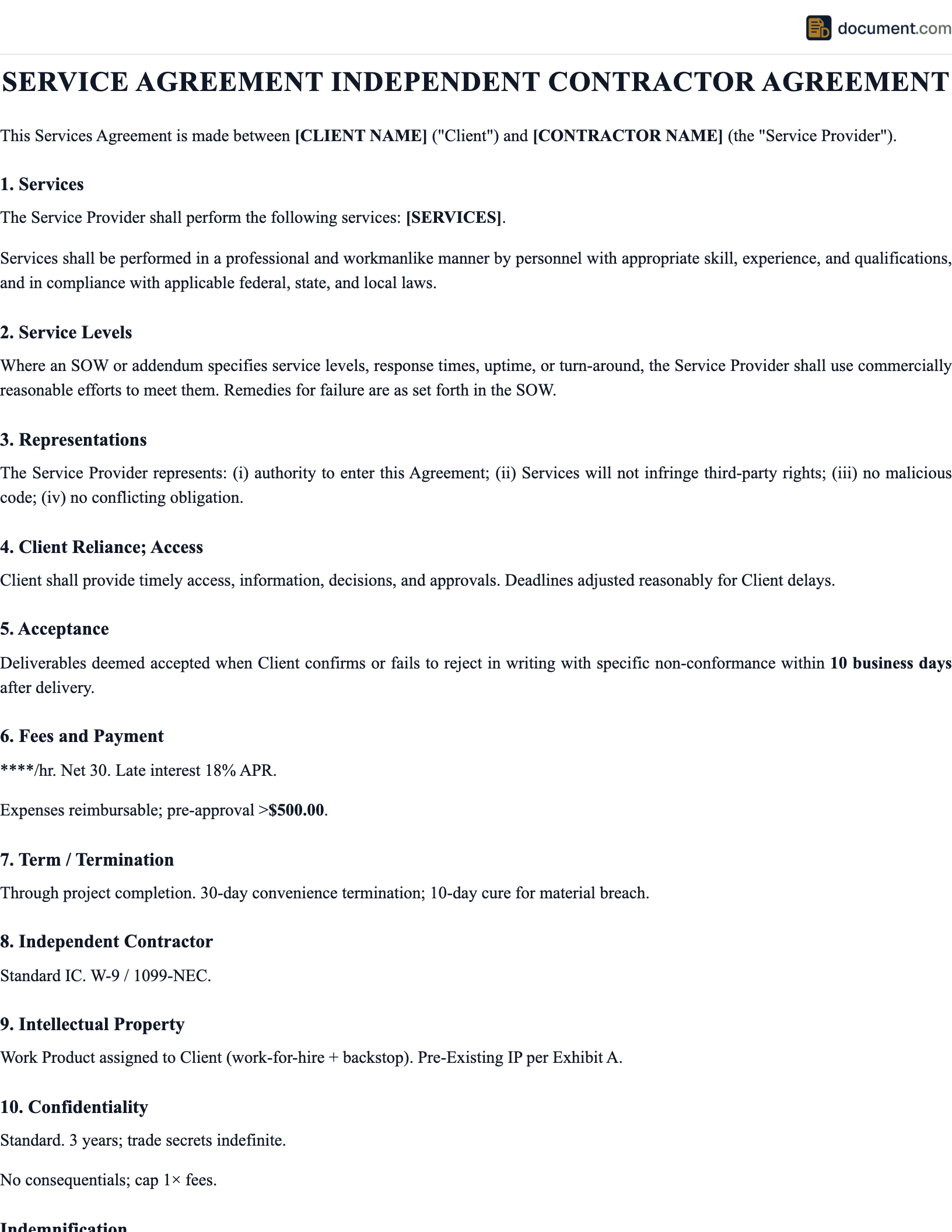



What Is an Electrical Contract?
An electrical contract is a legally binding agreement between a licensed electrician or electrical contracting company and a property owner, general contractor, or facility manager that defines the scope, specifications, and terms for electrical installation, repair, or upgrade work. Electrical work is among the most regulated trades in the construction industry because faulty wiring creates fire hazards, electrocution risks, and code violations that can render a property uninsurable or uninhabitable. The contract transforms a verbal estimate into an enforceable obligation with clear performance standards, verifiable inspection milestones, and legal remedies when problems arise.
Every U.S. state requires electricians to hold a valid license before performing electrical work, and most jurisdictions require permits for any electrical work beyond basic maintenance tasks like replacing a light switch or outlet cover. The National Electrical Code (NEC), published as NFPA 70 by the National Fire Protection Association, is the baseline safety standard for electrical installations nationwide — most states adopt the NEC by reference, often with state-specific amendments. Local jurisdictions may add further requirements. The electrical contract must ensure compliance with this layered regulatory framework and allocate responsibility for permits, inspections, and code compliance.
The financial exposure in electrical work is significant. A residential panel upgrade typically costs $1,500-$4,000, a whole-house rewire can exceed $15,000, and commercial electrical projects routinely reach six figures. Beyond the direct project cost, defective electrical work can cause fires, electrical shocks, equipment damage, and code-enforcement actions that far exceed the original contract price. A well-drafted electrical contract protects the property owner by requiring licensed work, code-compliant materials, permit compliance, and inspection-tied payment milestones — and protects the electrician by documenting the agreed scope, pricing, and change-order procedures.
Our electrical contract templates serve residential electricians, commercial electrical contractors, industrial electrical firms, and specialty electrical services (solar installation, EV charger installation, generator hookup, low-voltage systems). Each template addresses state licensing requirements, NEC compliance provisions, permit and inspection logistics, and the specific payment and warranty structures that the electrical industry demands.
NEC Compliant
All work warranted to meet current National Electrical Code standards.
Permit & Inspection
Clear allocation of permit duties and inspection-based payment milestones.
Licensed & Insured
License verification, insurance certificates, and bonding requirements.
Electrical Contract Form Preview
Electrical Service Contract
Licensed Electrical Work Agreement
1. CONTRACTOR CREDENTIALS
Contractor: License #: State: Insurance Policy #:
2. SCOPE OF WORK
Contractor shall perform the following electrical work at : . All work shall comply with the current NEC and all applicable state and local electrical codes.
3. MATERIALS
Materials specifications are detailed in Exhibit A. Contractor shall not substitute materials without prior written approval from Property Owner. All materials shall be UL-listed and code-compliant.
4. PERMITS & INSPECTIONS
Contractor shall obtain all required electrical permits and schedule all required inspections. Permit fees are included in the contract price. Work shall not proceed past rough-in until the rough-in inspection is passed.
5. WARRANTY
Contractor warrants all workmanship for a period of years from the date of final inspection. Manufacturer warranties on materials are passed through to Property Owner.
Key Components of an Electrical Contract
| Component | Purpose | Key Details |
|---|---|---|
| License & Credentials | Verifies the electrician is properly licensed | License number, issuing authority, insurance certificates |
| Scope of Work | Defines the exact electrical work to be performed | Circuits, panels, outlets, fixtures, wiring runs |
| Materials Specification | Lists exact brands, models, and grades | Panel brand/amps, wire gauge/type, outlet/switch grade |
| Permits & Inspections | Allocates permit and inspection responsibilities | Who pulls permits, who pays fees, inspection schedule |
| Code Compliance | Warrants NEC and local code adherence | NEC edition, local amendments, AFCI/GFCI requirements |
| Payment Schedule | Ties payments to inspection milestones | Deposit, rough-in, trim-out, final payment |
| Change Orders | Handles scope changes discovered during work | Written approval, itemized pricing, timeline impact |
| Warranty | Guarantees workmanship and passes through material warranties | Labor warranty period, manufacturer pass-through, claim process |
How to Create an Electrical Contract
Verify Credentials and Define the Project
Confirm the electrician's state license number, insurance coverage, and bonding status. Describe the property, the specific electrical work to be performed, and any existing conditions that affect the project (aluminum wiring, outdated panels, knob-and-tube wiring).
Specify Materials and Code Requirements
Create a detailed materials list with exact specifications for panels, wire, breakers, outlets, switches, and fixtures. Reference the applicable NEC edition and any local code amendments. Address AFCI and GFCI requirements for the specific project.
Set Permit, Inspection, and Timeline Terms
Assign permit responsibilities (typically the contractor), document the inspection schedule (rough-in, final), and establish the project timeline with start date, milestone dates, and completion deadline. Include provisions for delays caused by failed inspections or material shortages.
Structure Payment Around Milestones
Tie payments to verifiable milestones — deposit at signing, progress payment after rough-in inspection passes, progress payment after trim-out, and final payment upon successful final inspection. Comply with state down-payment limits where applicable.
Add Warranty, Change-Order, and Legal Terms
Include workmanship and materials warranty terms, a formal change-order procedure requiring written approval before additional work begins, cleanup responsibilities, lien-waiver requirements, and governing-law and dispute-resolution provisions.
Frequently Asked Questions
Official Resources
NFPA 70 - National Electrical Code
The NEC standard for safe electrical installation practices.
OSHA - Electrical Safety
Federal workplace electrical safety standards and guidance.
UL (Underwriters Laboratories)
Product safety testing and certification for electrical equipment.
Electrical Contractor Magazine
Industry standards and best practices for electrical contractors.
IRS - Self-Employed Tax Center
Tax guidance for independent electrical contractors.
SBA - Contractor Licensing
Federal and state licensing requirements for electrical contractors.
Ready to Create Your Electrical Contract?
Select your state, define your electrical project, and download a professional electrical contract in minutes.
Create DocumentNo account required. Free to create and preview.