
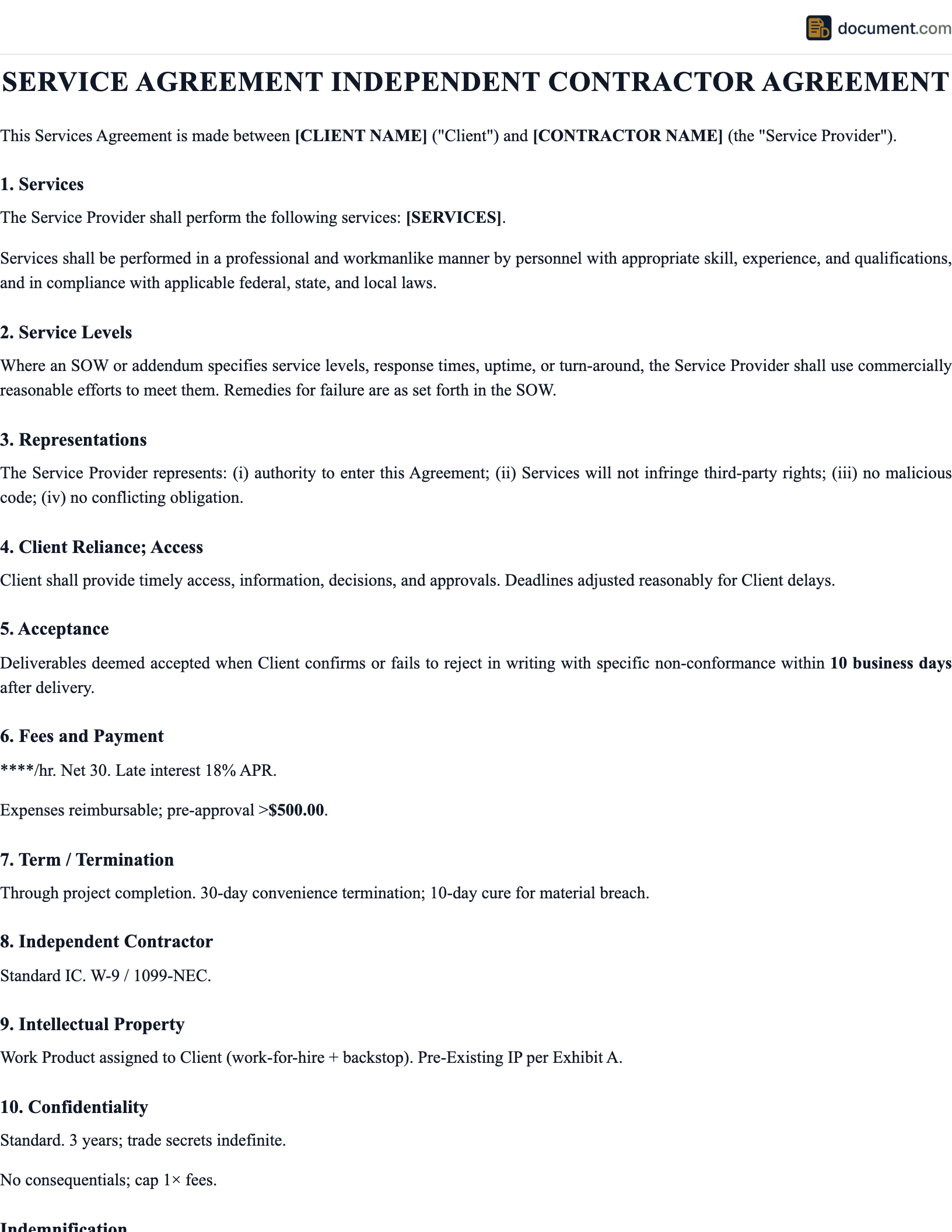



What Is a Painting Contract?
A painting contract is a legally binding agreement between a property owner and a painting contractor that establishes the complete terms of a residential or commercial painting project. Unlike a simple verbal quote, a written painting contract documents every material detail — which surfaces will be painted, the specific paint products and colors, how the contractor will prepare each surface, the number of coats, the payment schedule, the timeline, insurance requirements, and what warranty the painter provides on the finished work. The contract protects both parties: the homeowner gets a clear commitment to scope, quality, and price, while the painter gets documented authorization to proceed, a defined payment schedule, and protection against scope-creep claims.
Painting disputes are among the most common consumer complaints filed with state contractor licensing boards and better business bureaus. The overwhelming majority of these disputes arise from ambiguity — the homeowner expected three coats but the painter applied two, the homeowner assumed the painter would move furniture but the contract was silent, or the homeowner thought prep work included replacing rotted trim but the painter considered that outside the scope. A detailed painting contract eliminates these ambiguities by specifying exactly what the painter will and will not do, what the homeowner is responsible for, and how changes will be handled if unexpected conditions (such as lead paint, wood rot, or mold) are discovered during preparation.
Professional painting contracts also address regulatory requirements that many homeowners are unaware of. If a home was built before 1978, the EPA's Renovation, Repair, and Painting (RRP) Rule requires the contractor to be EPA-certified and to follow lead-safe work practices when disturbing painted surfaces. Many states require painting contractors to hold a contractor's license when the project exceeds a certain dollar threshold, and some jurisdictions require specific permits for exterior work on historic properties. Our templates incorporate these regulatory requirements automatically based on the project's state and property characteristics.
Detailed Scope
Specify surfaces, coats, colors, and prep work for every room or area.
Payment Milestones
Tie payments to completion stages rather than paying everything upfront.
Warranty Protection
Define workmanship and materials warranties with clear claim procedures.
Painting Contract Form Preview
Painting Contract
Residential / Commercial
1. PARTIES
This Painting Contract (“Agreement”) is entered into as of [Date] by and between:
Property Owner: [Full Name]
Painting Contractor: [Company Name]
2. PROJECT LOCATION
[Property Address]
3. SCOPE OF WORK
Contractor shall perform the following painting services: [Interior/Exterior surfaces, rooms, and areas]
4. PAINT SPECIFICATIONS
Brand: [Brand] | Product Line: [Line] | Finish: [Finish]
5. COMPENSATION
Total Contract Price: $[Amount], payable in [#] installments.
Key Components of a Painting Contract
Every professional painting contract should address these essential elements to protect both parties and prevent disputes.
| Component | Purpose | Details |
|---|---|---|
| Scope of Work | Defines exactly what will be painted | List each room, surface, and area; specify interior vs exterior |
| Surface Preparation | Ensures proper adhesion and finish | Scraping, sanding, priming, patching, caulking, power washing |
| Paint Specifications | Documents exact products and colors | Brand, product line, finish type, color codes, number of coats |
| Payment Schedule | Ties payments to milestones | Deposit, mid-project payment, final payment upon walk-through |
| Timeline | Sets start and completion dates | Work hours, weather delay provisions, liquidated damages |
| Warranty | Guarantees workmanship quality | Workmanship warranty period, manufacturer warranty, claim process |
| Insurance | Protects against liability | General liability, workers' comp, certificate of insurance |
| Lead Paint Compliance | Meets EPA RRP Rule requirements | Pre-1978 homes: certified renovator, lead-safe practices, disclosure |
| Change Order Process | Handles additional or changed work | Written approval required, cost adjustment, timeline impact |
| Cleanup & Protection | Defines site maintenance duties | Furniture protection, drop cloths, daily cleanup, debris removal |
How to Create a Painting Contract
Follow these steps to build a comprehensive painting contract that protects your interests and clearly defines the project.
Conduct an On-Site Assessment
Walk the property with the contractor to identify every surface that will be painted. Measure square footage, note existing paint condition, check for peeling, cracking, mold, or wood rot, and identify any areas that need special attention. For pre-1978 homes, discuss lead paint testing and RRP compliance.
Specify Materials and Colors
Select the paint brand, product line, and finish for each area. Record manufacturer color codes and specify the number of coats. Choose primer, caulk, and patching products compatible with the topcoat. Attach a color schedule as an exhibit to the contract.
Define Preparation Requirements
Document exactly how each surface will be prepared — power washing, scraping, sanding, priming, patching cracks and holes, caulking gaps, removing hardware. Specify who is responsible for moving furniture, removing wall hangings, and masking areas that will not be painted.
Set Payment Milestones
Structure payments around project progress: a deposit at signing (subject to state deposit limits), a midpoint payment after prep is complete and painting begins, and a final payment after a walk-through inspection. Include accepted payment methods and any late-payment terms.
Establish Timeline and Warranty
Set start and completion dates, define work hours, include weather delay provisions for exterior work, and specify the warranty period for workmanship. Include the process for warranty claims, the contractor's obligation to return and fix defective work, and standard exclusions.
Verify Insurance and Licensing
Require the contractor to provide a certificate of insurance showing current general liability and workers' compensation coverage. Verify the contractor's license with the state licensing board. Attach copies of the certificate and license as contract exhibits.
Frequently Asked Questions
Common questions about painting contracts, surface preparation, licensing, lead paint, warranties, and payment structure.
Official Resources
Authoritative resources on painting contractor licensing, lead paint regulations, and consumer protection.
EPA RRP Rule
Lead paint renovation, repair, and painting program requirements.
CA Contractors State License Board
California C-33 painting contractor license lookup and requirements.
FTC Cooling-Off Rule
Three-day cancellation rights for home improvement contracts.
OSHA Lead Standards
Occupational lead exposure standards for construction workers.
Painting Contractors Association
Industry standards, certifications, and best practices.
CFPB
Consumer Financial Protection Bureau resources for home improvement financing.
Create Your Painting Contract
Protect your painting project with a detailed contract covering scope, materials, preparation, payments, and warranty.
Create DocumentNo account required. Free to create and preview.