



Minnesota Eviction Overview
Minnesota Requires 14 Days, Not 10
Minnesota law under Minn. Stat. §504B.291 mandates a 14-day notice for non-payment of rent. This period cannot be shortened by the lease. A 10-day eviction notice is not the statutory standard in Minnesota. Using a 10-day notice for non-payment will result in dismissal of the eviction case in Minnesota Housing Court.
Minnesota's landlord-tenant law is codified in Chapter 504B of the Minnesota Statutes. The state uses an "unlawful detainer" process for evictions, filed in Housing Court (a division of District Court). Minnesota is moderately tenant-friendly, with meaningful habitability protections, restrictions on late fees, and one of the nation's most progressive eviction record expungement laws.
Hennepin County (Minneapolis) has a dedicated Housing Court with specialized judges and housing specialists. Ramsey County (St. Paul) handles evictions through designated District Court judges. Both have mediation programs that can help landlords and tenants resolve disputes without a full trial. Self-help evictions are prohibited under Minn. Stat. §504B.225.
14 Days
Non-payment notice
$285-$320
Filing fee
8% Max
Late fee cap
4-6 wks
Typical process
Minnesota's Actual Notice Periods
| Grounds | Notice Period | Statute |
|---|---|---|
| Non-payment of rent | 14 days (mandatory cure period) | Minn. Stat. §504B.291 |
| Material lease violation | Reasonable notice per lease terms | Minn. Stat. §504B.285 |
| Month-to-month (no cause) | One full rental period | Minn. Stat. §504B.135 |
| Illegal activity on premises | Immediate filing permitted | Minn. Stat. §504B.171 |
Minn. Stat. 504B Requirements
When 10 Days Might Apply in Minnesota
A 10-day period could apply in Minnesota only if the lease specifies a 10-day cure period for a specific lease violation (not non-payment). For non-payment, the 14-day statutory period is mandatory and cannot be shortened. Some commercial leases use 10-day cure periods, but residential landlords should default to the 14-day statutory requirement.
14-Day Notice Requirements
- Written Notice: Must be in writing under Minn. Stat. §504B.291; oral notice is insufficient
- Amount Owed: Specify the exact amount of rent due, including any lawful late fees (capped at 8% under §504B.177)
- 14-Day Cure Period: Clearly state the tenant has 14 days to pay or quit; this period is non-negotiable
- Tenant Names: List all tenants named on the lease agreement
- Property Address: Include the complete address of the rental unit
- Landlord Contact: Provide the landlord's or agent's name, address, and phone number
How to Serve a Notice in Minnesota
Minnesota law provides several methods for serving the 14-day notice. Proper service is essential because the court will dismiss the case if the notice was not properly served.
Personal Delivery
Hand the notice directly to the tenant. Best method for proving service. Bring a witness who can testify if needed
Posting and Mailing
If the tenant cannot be found, post the notice on the door and mail a copy via first-class mail. Minnesota courts generally accept this method
Wait Full 14 Days
Count 14 full days starting the day after service. If the tenant pays during this period, the notice is void and you cannot proceed
File Unlawful Detainer in Housing Court
After 14 days expire without cure, file an eviction complaint in Housing Court or District Court where the property is located
Minnesota Eviction Timeline
Minnesota's eviction timeline typically runs 4 to 6 weeks for an uncontested non-payment case. The 14-day mandatory notice period is followed by filing, service of the court summons (at least 7 days before the hearing), and the hearing itself.
If the court rules for the landlord, it issues a Writ of Recovery of Premises. The standard wait time is 24 hours after the writ is issued, but judges often grant the tenant additional time (up to 7 days) to move out. If the tenant does not vacate, the sheriff executes the writ and physically removes the tenant.
Minnesota allows jury trials in eviction cases under Minn. Stat. §504B.335, which can significantly extend the timeline. Contested cases with defenses or jury trial requests can take 2 to 3 months. The Hennepin County Housing Court mediation program resolves many cases before trial, often with negotiated move-out dates.
Minnesota Filing Fees & Costs
| Fee / Cost | Typical Amount |
|---|---|
| Unlawful Detainer Filing Fee | $285 - $320 |
| Service of Summons (Sheriff) | $40 - $75 |
| Writ of Recovery Execution | $75 - $150 |
| Attorney Fees (if hired) | $800 - $3,000 |
| Expungement Filing (if applicable) | $0 - $100 |
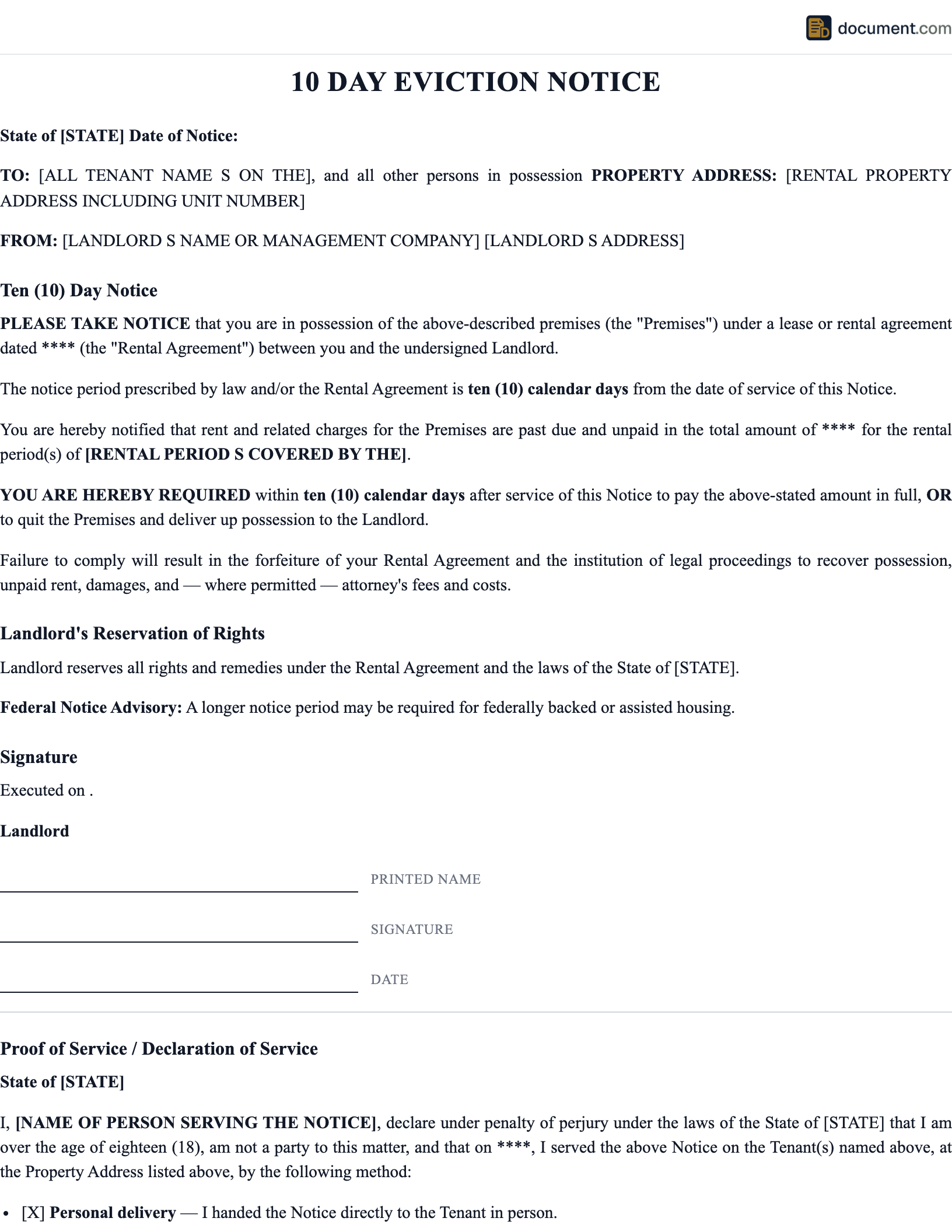
Sample Minnesota Eviction Notice
Below is a preview of a Minnesota-compliant 14-day notice for non-payment under Minn. Stat. §504B.291.
14-DAY NOTICE TO PAY OR QUIT
STATE OF MINNESOTA
Pursuant to Minn. Stat. §504B.291
TO:
Tenant Name(s): [Full Legal Name(s)]
Premises: [Full Address, City, MN ZIP]
NOTICE:
You are hereby notified that you have fourteen (14) days to pay the past-due rent of $_____ or vacate and surrender the premises. If you pay in full within 14 days, this notice is void and the tenancy continues.
MINNESOTA LAW
This notice complies with Minn. Stat. Chapter 504B. Failure to comply may result in unlawful detainer proceedings in Minnesota Housing Court.